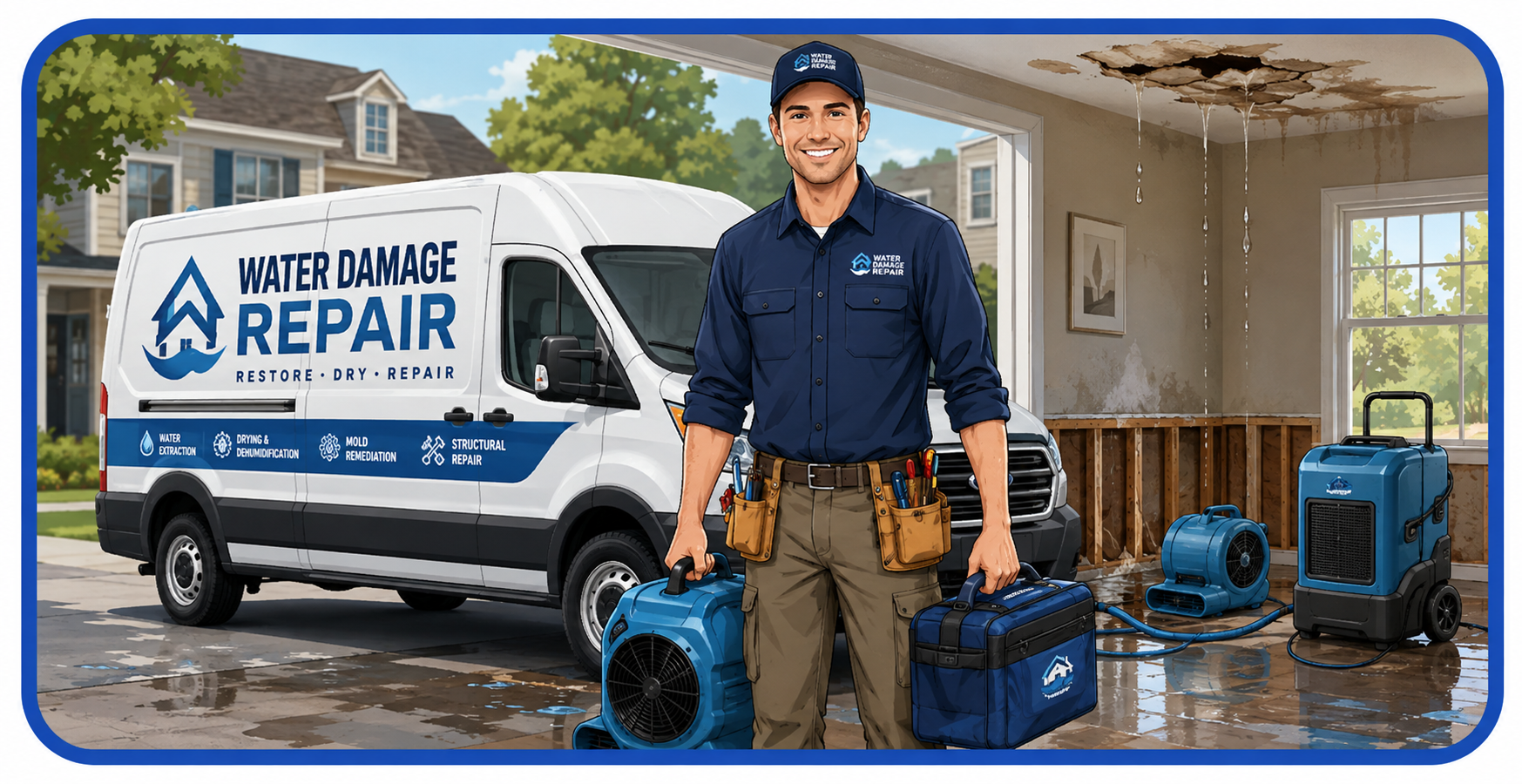
Storm water damage usually starts at the roof, windows, or siding. High winds lift shingles, hail cracks flashing, and rain finds its way into attics and walls. Restoration means stopping more water from entering, then drying and repairing everything it reached.
Free referral to independent, licensed and insured local pros. Zip codes served include 10169 10168 10167 10165 10162 10282 10280 10040 10044 10271 10279 10278 10075 10103 10028 10029 10026 10027 10024 10025 10022 10023 10020 10021 10152 10153 10154 10128 10004 10005 10006 10007 10001 10002 10003 10009 10170 10171 10172 10173 10174 10177 10039 10038 10035 10034 10037 10036 10031 10030 10033 10032 10065 10069 10199 10119 10115 10112 10110 10111 10019 10018 10013 10012 10011 10010 10017 10016 10014 10008 10041 10043 10055 10060 10081 10087 10090 10101 10102 10104 10105 10106 10107 10108 10109 10113 10114 10116 10117 10118 10120 10121 10122 10123 10124 10125 10126 10129 10130 10131 10132 10133 10138 10150 10151 10155 10156 10157 10158 10159 10160 10163 10164 10166 10175 10176 10178 10179 10185 10203 10211 10212 10213 10242 10249 10256 10258 10259 10260 10261 10265 10268 10269 10270 10273 10274 10275 10276 10277 10281 10285 10286.

We are a referral line, not a contractor. Calls are routed to independent local pros around Manhattan who handle the full storm sequence, from covering the roof to repairing ceilings.
Roof tarps and board-up go on first, so drying is not undone by the next rain.
Contractors in the network already work around Manhattan, which matters when you need follow-up visits and warranty service after the trucks from out of town leave.
Confirm license and insurance before signing anything, especially after a big storm.
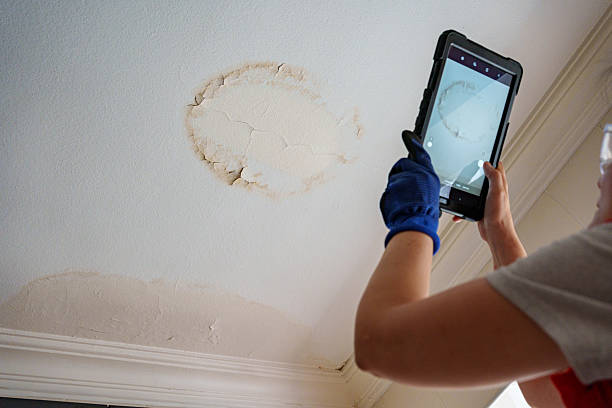
Detailed photos and moisture logs give your adjuster what they need to process the storm claim.

Storm water enters from above and from the sides, so the work moves from the outside in: seal the building, then dry and repair the interior.

Heavy-duty tarps are secured over damaged roof sections with battens so wind does not lift them, keeping rain out until permanent roof repairs.
Openings from broken glass or tree damage are boarded up to protect the home.
Soaked blown-in or batt insulation is removed, roof decking and rafters are dried, and the attic is checked for mold before new insulation goes in.
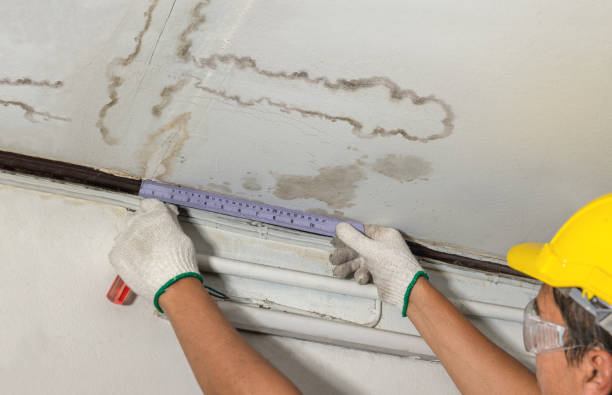
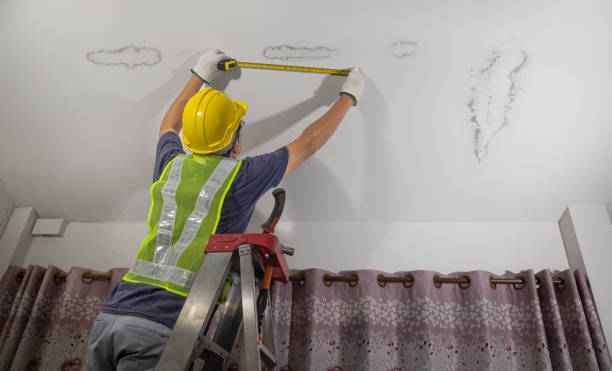
Stained or sagging ceilings are opened, dried, and replaced. Wall damage from window leaks or wind-driven rain gets the same treatment.
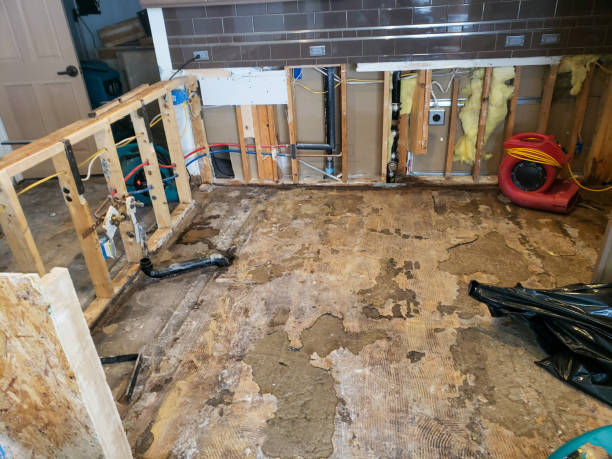
Air movers and dehumidifiers dry ceilings, walls, and floors below the leak until moisture readings confirm the structure is dry.
Tell dispatch whether rain is still getting in and where the damage is.
A local contractor calls with an arrival estimate. After regional storms, demand is high, and they will be honest about timing.
Expect an outside-in inspection and a written price before work starts.
Openings are sealed, wet areas dried, and damaged materials replaced.
Stop the leak first, then dry it out.
Wind took a chunk of shingles off, and rain came into the attic all night. They had a tarp on by noon, pulled the wet insulation, and fixed the bedroom ceiling the following week.
Natalie G.Wind damage, attic and ceilingA tree limb went through the dining room window. They boarded it up that night and dried out the floor before it warped.
Victor A.Tree limb, broken windowPlenty of storm chasers showed up. This pro was local and showed his license and insurance right away.
Brenda K.Hail and wind stormThe photos they took of the roof and attic made my storm claim simple. The adjuster approved it in one visit.
Luis F.Storm insurance claim

Climbing a wet, damaged roof is dangerous. A professional tarp is safer and more likely to hold. Many policies cover reasonable emergency tarping costs.
Damage from wind and rain entering through a storm-damaged roof or window is often covered. Rising floodwater from outside usually is not. Check your policy with your agent.
Verify local presence, licensing, and insurance, and avoid anyone pressuring you or asking for large deposits.
Rarely. Blown-in cellulose clumps and loses its insulating value, and fiberglass can trap moisture against the decking. Most soaked insulation should be replaced.
Within 24 to 48 hours. Mold can start growing on wet insulation, drywall, and wood framing quickly, and another storm can make it worse.
No. A Water Damage is a free referral service connecting you with independent, licensed and insured local contractors who do the work.

Calls from Manhattan and zip codes such as 10169 10168 10167 10165 10162 10282 10280 10040 10044 10271 10279 10278 10075 10103 10028 10029 10026 10027 10024 10025 10022 10023 10020 10021 10152 10153 10154 10128 10004 10005 10006 10007 10001 10002 10003 10009 10170 10171 10172 10173 10174 10177 10039 10038 10035 10034 10037 10036 10031 10030 10033 10032 10065 10069 10199 10119 10115 10112 10110 10111 10019 10018 10013 10012 10011 10010 10017 10016 10014 10008 10041 10043 10055 10060 10081 10087 10090 10101 10102 10104 10105 10106 10107 10108 10109 10113 10114 10116 10117 10118 10120 10121 10122 10123 10124 10125 10126 10129 10130 10131 10132 10133 10138 10150 10151 10155 10156 10157 10158 10159 10160 10163 10164 10166 10175 10176 10178 10179 10185 10203 10211 10212 10213 10242 10249 10256 10258 10259 10260 10261 10265 10268 10269 10270 10273 10274 10275 10276 10277 10281 10285 10286 are routed to local storm damage pros.
See nearby cities below. You will get an honest timeline after large regional storms.