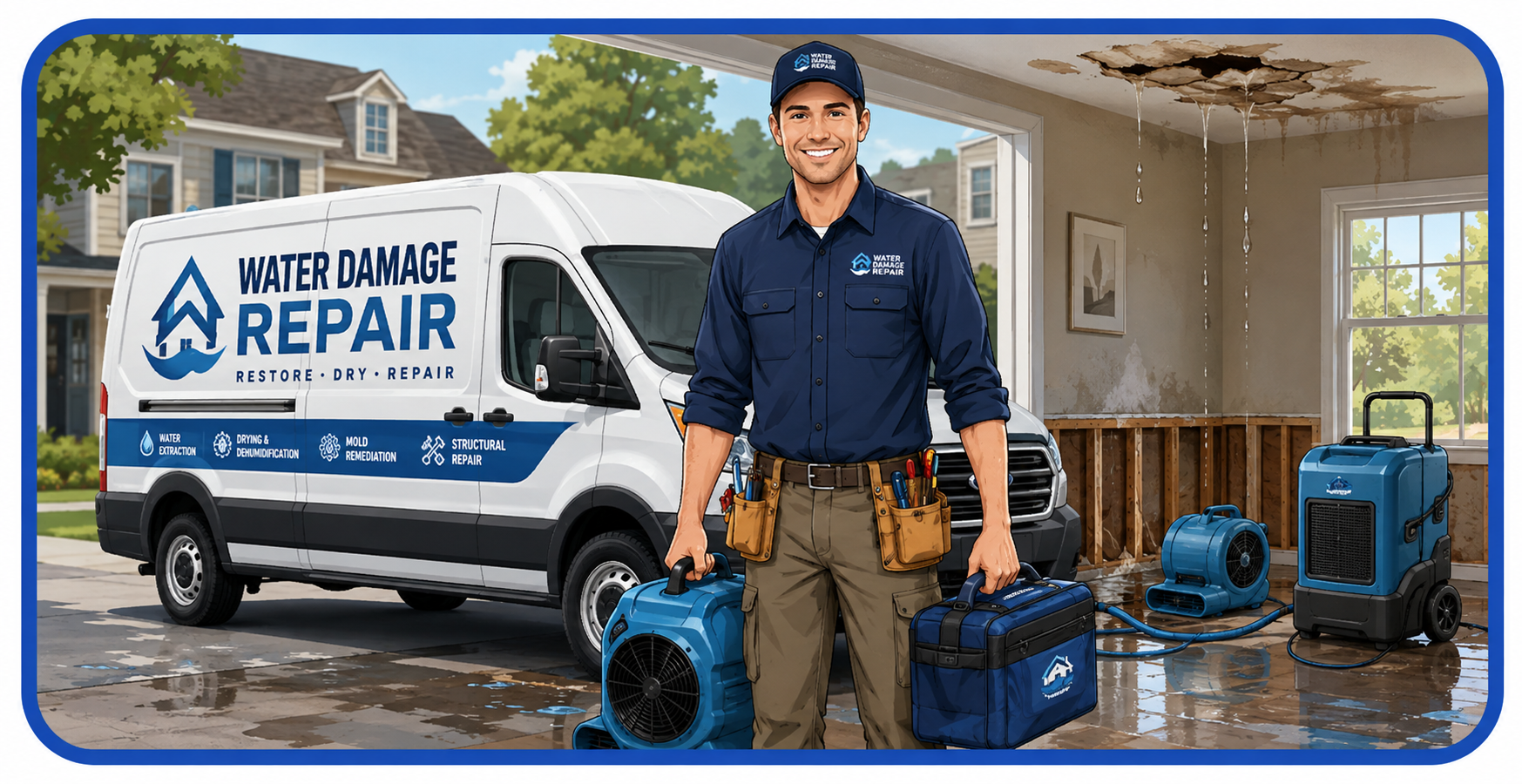
Spring thaw plus a dead sump pump is a classic basement flood. Water comes up through the floor drain, seeps through cracks, and spreads under carpet and behind finished walls. Cleaning it up properly means pumping, extracting, removing wet finishes, and drying a space that naturally holds humidity.
One free call connects you with an independent local specialist. Areas served include zip codes 60408 60481.

Basement floods are some of the most common water calls. A Water Damage is a free referral service connecting you with independent, licensed and insured contractors near Braidwood who know below-grade drying and can spot the source, whether it is a failed sump, a backed-up floor drain, or a cracked foundation wall.
Deep water is pumped out first, then the carpet and pad are extracted.
The pro looks at the sump pit, discharge line, floor drains, and foundation walls to figure out where the water came from, so you know what needs fixing to stop a repeat.
Each contractor carries independent licensing and insurance. Ask for proof before work begins.
During storms and spring thaws, basement calls spike. Local pros near Braidwood are close, which helps keep arrival times reasonable.

Pumping is just the start. The real work is pulling water from carpet and walls and drying concrete that wants to hold moisture.

Pumps take out deep water first, and extraction tools finish the carpet and edges.
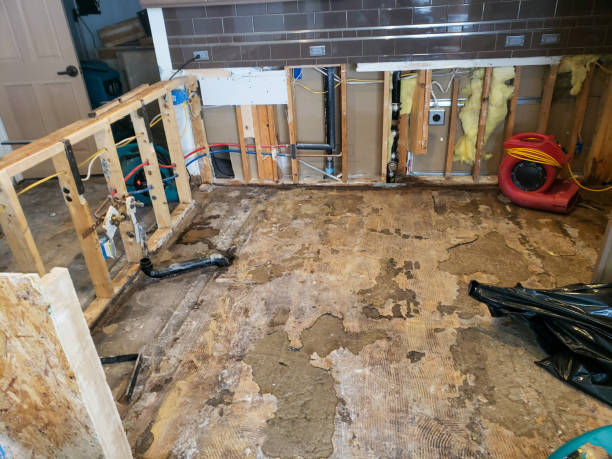
Drywall and fiberglass insulation on below-grade walls are cut out above the wet line so framing and the foundation wall behind it can dry.
Concrete slabs and block walls release moisture slowly. Dehumidifiers and air movers run until readings show the slab and framing are dry.
If water came up through a floor drain, it may be contaminated. Affected materials are removed and surfaces disinfected before drying.
Contractors can point out a failed float switch, clogged discharge line, or missing battery backup, and recommend a plumber or waterproofing pro if needed.
Let dispatch know water depth, whether the space is finished, and if mechanical equipment is wet.
A local contractor calls with an arrival time and reminds you not to walk into water near outlets or the electrical panel.
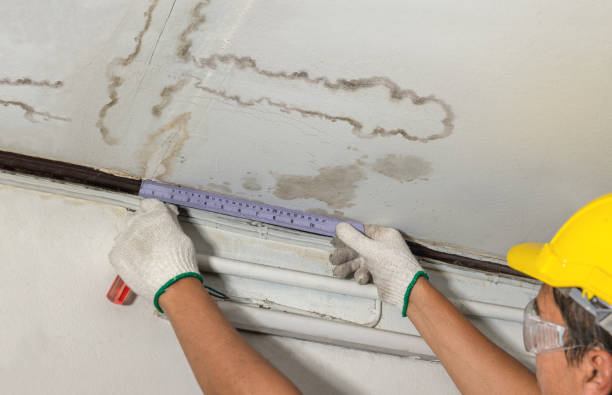
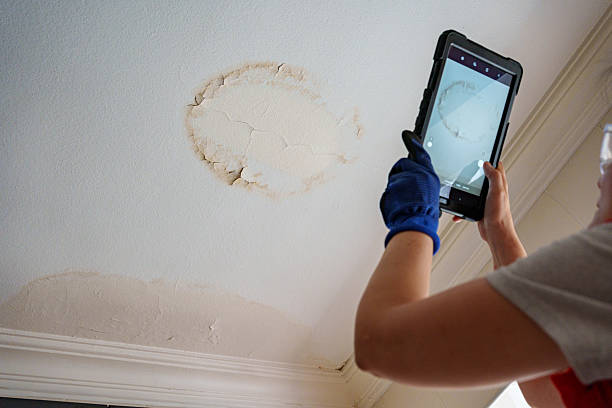
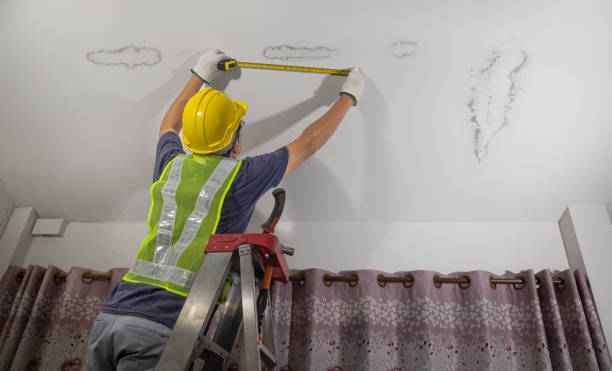
Expect a source check, moisture mapping of walls and floors, and a written price before work starts.
The basement is pumped, cleaned out, and dried until readings confirm it is ready.
Finished basements need fast extraction to save carpet and walls.
Sump pump died during the spring melt. Three inches across our finished basement. They pumped it, pulled the carpet pad, cut the drywall at two feet, and had it dry in five days.
Andrea K.Sump pump failure, finished basementThe contractor showed me the float switch was stuck and suggested a battery backup. Haven't had water since.
Mike D.Sump float switch failureA floor drain backed up during a storm. They sanitized the whole area and explained the risks clearly.
Sharon T.Floor drain backupThe thermal camera found water behind the bar wall I never would have checked. Saved us from mold later.
Jason W.Seepage behind finished walls

Common causes include a failed sump pump or float switch, a clogged discharge line, heavy rain on saturated soil, a backed-up floor drain, or a new foundation crack. The contractor can help identify the source.
If the water was clean and extracted quickly, the carpet may be saved with new pad. If it came from a drain backup or outside seepage, it usually should be replaced.
Most basements dry in three to seven days, since concrete releases moisture slowly.
Have a licensed technician check any equipment the water touched before using it.
Coverage varies by cause. Sump backup often requires an add-on, so check with your agent.
No. We connect you with an independent local pro. Verify their license and insurance before work starts.

Independent basement water pros in the network serve Braidwood, IL and nearby zip codes like 60408 60481.
See the nearby cities listed below.