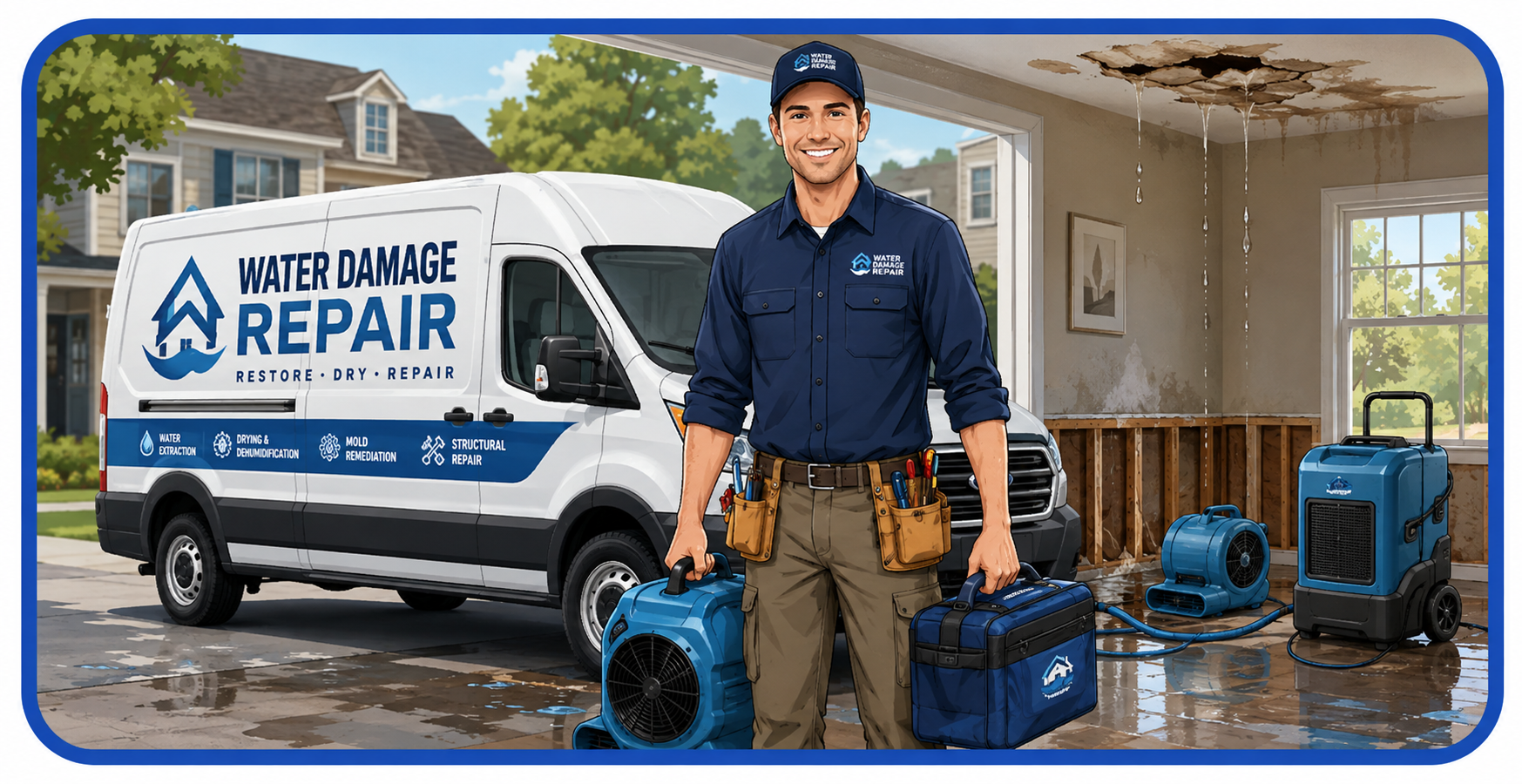
The storm tore a section of shingles off the roof, and wind-driven rain poured into the attic for hours. Now the insulation is soaked, the bedroom ceiling has a brown stain spreading across it, and more rain is in the forecast. Storm water damage comes from above, and the first job is keeping more of it from getting in.
One free call connects you with an independent local specialist. Areas served include zip codes 50138.

We are a referral line, not a contractor. Calls are routed to independent local pros around Knoxville who handle the full storm sequence, from covering the roof to repairing ceilings.
The first priority is keeping more rain out. Contractors tarp damaged roofs and board up broken windows or doors before interior drying begins.
Local pros will still be here after the storm. That matters for follow-up work and questions later.
Confirm license and insurance before signing anything, especially after a big storm.
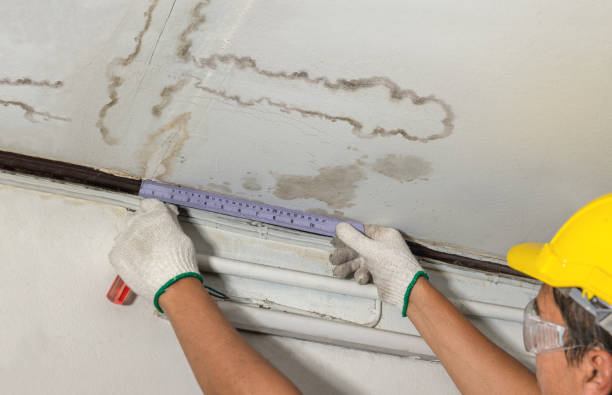
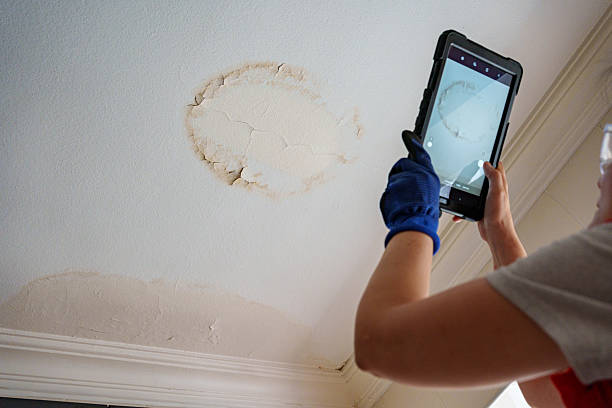
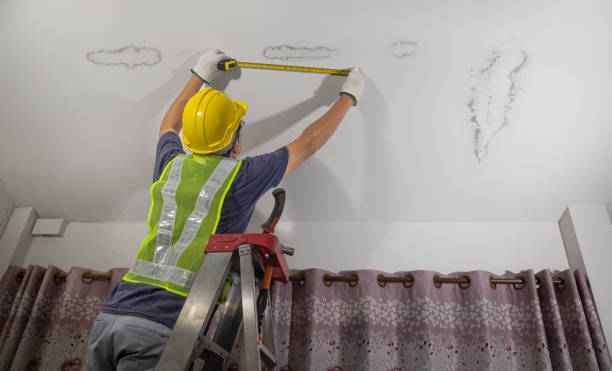
Contractors photograph exterior and interior damage, record moisture readings, and itemize repairs so your storm claim has solid support.

Storm water enters from above and from the sides, so the work moves from the outside in: seal the building, then dry and repair the interior.

Damaged roof areas are covered with secured tarps to stop leaks until the roof can be repaired.
Broken windows, damaged doors, and openings from fallen limbs are boarded to keep out rain, wind, and intruders.
Soaked blown-in or batt insulation is removed, roof decking and rafters are dried, and the attic is checked for mold before new insulation goes in.
Water-damaged ceilings and walls are removed, dried, rebuilt, and painted.
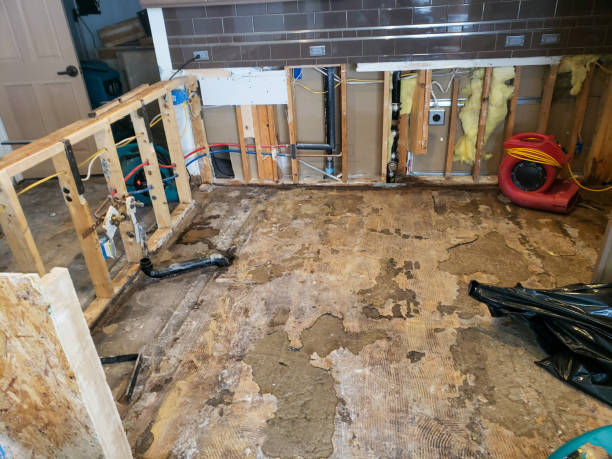
Air movers and dehumidifiers dry ceilings, walls, and floors below the leak until moisture readings confirm the structure is dry.
Call +1-877-637-9008 and describe what was damaged, whether water is still coming in, and if the roof or windows are open to the weather.
You will get a realistic arrival window. After major storms, you will be told if it will take longer.
The pro inspects the roof line, attic, and interior, takes moisture readings, and gives you a written estimate before work begins.
The building is tarped or boarded, the interior is dried, and ceilings, walls, and insulation are repaired.
Stop the leak first, then dry it out.
Wind took a chunk of shingles off, and rain came into the attic all night. They had a tarp on by noon, pulled the wet insulation, and fixed the bedroom ceiling the following week.
Natalie G.Wind damage, attic and ceilingA branch broke our window. Board-up that night and the hardwood was saved.
Victor A.Tree limb, broken windowPlenty of storm chasers showed up. This pro was local and showed his license and insurance right away.
Brenda K.Hail and wind stormTheir roof and attic photos got my claim approved in a single adjuster visit.
Luis F.Storm insurance claim

It is risky. Pros tarp safely, and emergency tarping is often covered by insurance.
Damage from wind and rain entering through a storm-damaged roof or window is often covered. Rising floodwater from outside usually is not. Check your policy with your agent.
Verify local presence, licensing, and insurance, and avoid anyone pressuring you or asking for large deposits.
Rarely. Blown-in cellulose clumps and loses its insulating value, and fiberglass can trap moisture against the decking. Most soaked insulation should be replaced.
Act within a day or two. Mold grows quickly, and the next rain adds more damage.
No. We connect you with independent local pros. Verify their license and insurance before work starts.

Calls from Knoxville and zip codes such as 50138 are routed to local storm damage pros.
See nearby cities below. You will get an honest timeline after large regional storms.